Key takeaways
- Stay safe, document everything and protect the home from more damage.
- Your insurance company decides coverage and the claim outcome.
- A roofer can document damage but cannot decide your claim.
- Read your policy, deductible and claim deadlines.
Right after the storm
Make sure everyone is safe. Take photos and video of the roof, gutters, siding, windows and yard from the ground. If something is open to the weather, cover it or have it tarped.
Keep receipts for any emergency protection, since it is usually considered part of preventing further damage.
Document the roof
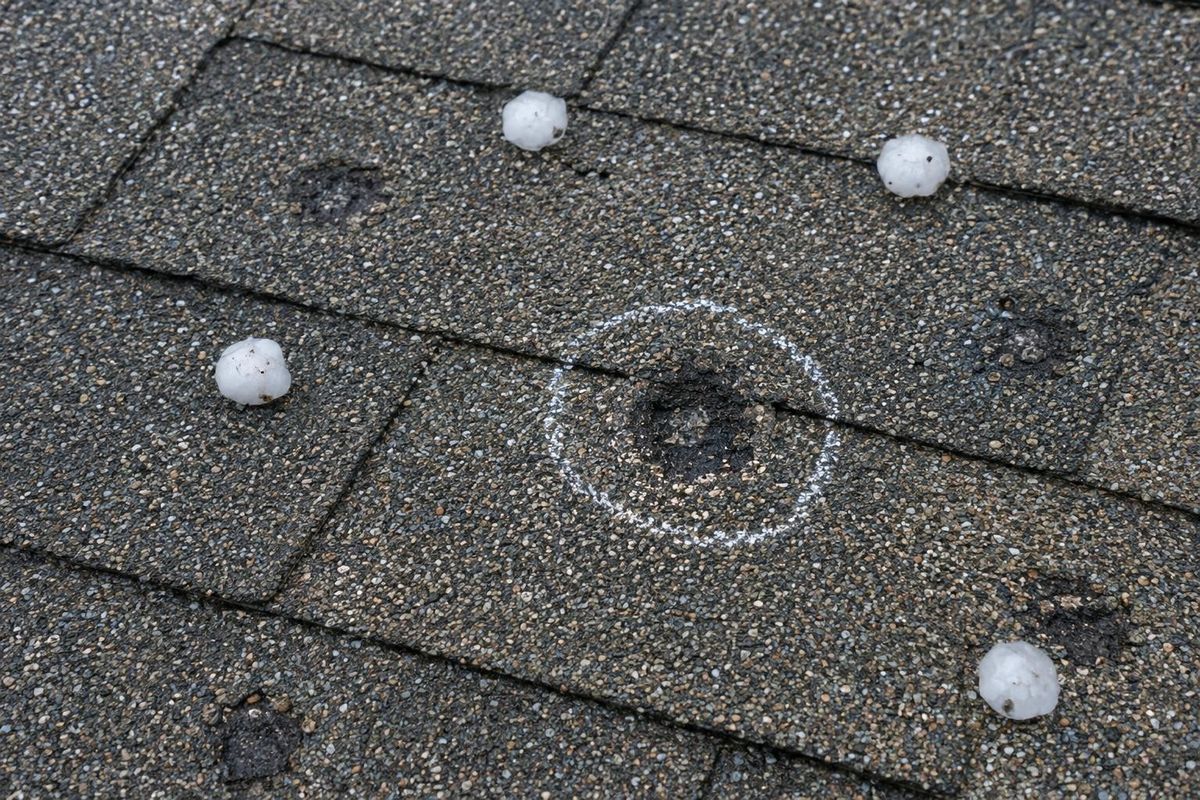
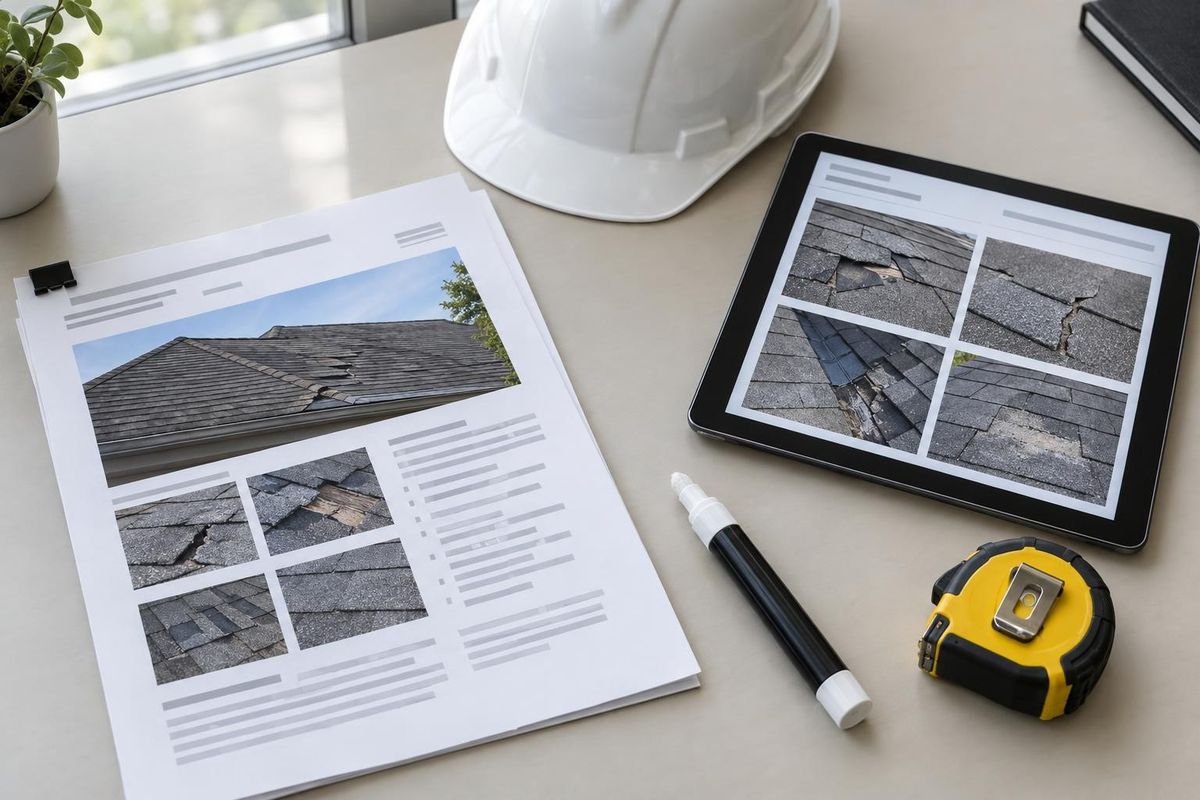
A professional inspection records damage on each slope with close photos, measurements and notes. Aerial photos from a drone are also useful for steep or high roofs.
A written summary describes the type of damage and where it is, in plain terms you can share.
Working with your insurer
Call your insurance company, ask for the claim process and note the claim number and adjuster. You can ask the roofer to be present at the adjuster inspection to show the damage.
Your policy determines what is covered and how much you pay. The decision belongs to the insurance company and you, not the roofer.
Avoid common mistakes
Be cautious of door-to-door contractors after a storm. Get a written scope, check references and do not sign over your claim decisions. Do not wait too long, as deadlines apply.
In Nashville after large storms, reputable local contractors can be busy, so schedule inspections early and document what you can.
Quick answers
Will my roofer file the claim for me?
No. The policyholder files the claim. A roofer provides photos, measurements and a written description.
Should I repair the roof before the adjuster comes?
Make temporary repairs to prevent more damage and keep records. Ask your insurer before permanent repairs.
Does a roof report mean my claim will be covered?
No. Coverage depends on your policy and the insurance company's review.